
Associazione Eureka

The Wave channel

This channel is created to share with you the diffrent steps of the european project Wave 

The WAVE Project

WAVE promotes participatory botany as an educational and inclusive tool to raise awareness among urban communities about climate change and biodiversity. Through participatory bio-mapping, urban biodiversity stories, and outdoor activities, it particularly engages women (including those with migrant backgrounds) and their families in intergenerational learning, strengthening skills, civic participation, and the care of green spaces.

Partner

Il Pianeta Naturale

Asociación Projectes Educatius

Izni̇k halk eği̇ti̇m merkezi̇

Objectives

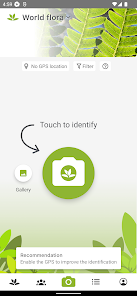
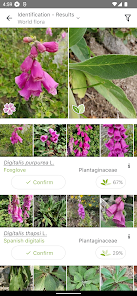
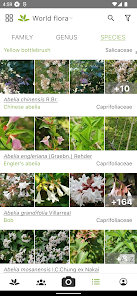
Promote the active participation of vulnerable women through participatory bio-mapping and botanical exploration, engaging families and communities in raising awareness about biodiversity. Strengthen the skills of partner organizations in adult education, environmental sustainability, and inclusive learning through workshops and innovative methodologies. Raise community awareness of urban biodiversity through the @PlantNet app and shared narratives, ensuring sustainability and replicability through Guidelines.

WAVE addresses the lack of green skills among adults, particularly in vulnerable urban areas, by promoting collective actions to protect biodiversity and urban ecosystems. In line with the European Green Deal and the SDGs, the project integrates informal learning and community engagement to raise awareness of sustainability, strengthen ecological skills, and foster greener and more resilient cities.

Target Groups

Internal Target Group
  • Partners and trainers (approximately 20 people) who develop new skills in biodiversity and adult education.
External Target Groups
  • Women in vulnerable situations
    (>90 in total), involved as Active Learners & Ambassadors.
  • Other adult and non-adult participants (family learning): the intergenerational and family learning methodology will also be used to involve younger participants, promoting shared learning and strengthening community bonds.
  • Organizations and schools in the partner territories
    (>20 in each country).
    The general population in the partner territories (approximately 5,000 people), citizens of all generations: they benefit from the project activities in terms of increased awareness and sensitization. They will be engaged through promotional activities throughout the entire project lifecycle and through the “feedback” activities carried out by the Active Learners & Ambassadors.
  • There is also a long-term target group consisting of organizations and the wider European population interested in expanding participatory mapping.

4 weeks ago

Nove piante che strappi dall’orto come infestanti e che in realta si mangiano. In Italia non e una scoperta: e una tradizione che le nostre nonne praticavano ogni settimana 🌿1. Tarassaco: le foglie giovani in insalata con uova sode e pancetta, i boccioli sotto sale come capperi, le radici tostate come surrogato del caffe.2. Piantaggine: foglie giovani tenere crude o cotte. In fitoterapia tradizionale si usava per le punture di insetti.3. Portulaca: croccante, leggermente acidula, ricchissima di omega-3. In insalata con pomodori e cipolla rossa e un classico del Sud Italia.4. Farinello: si cucina come gli spinaci. Le foglie giovani cotte sono ottime nei ripieni di ravioli e torte salate.5. Centocchio: tenero e delicato, si mangia crudo in insalata. Cresce anche in inverno.6. Ortica: risotto, frittata, gnocchi verdi, ravioli. Si raccoglie con i guanti e dopo la cottura non punge piu. Nel giardino il macerato d’ortica e il miglior fertilizzante naturale 🌱7. Acetosella: sapore acidulo che ricorda il limone. Poche foglie in insalata, non in grandi quantita per l’acido ossalico.8. Viola: i fiori canditi decorano i dolci, freschi si aggiungono alle insalate. Il profumo e inconfondibile.9. Romice: foglie giovani cotte, sapore acidulo. Le foglie vecchie sono troppo fibrose, raccogliere solo i germogli primaverili.Regola di sicurezza: raccogliere solo in zone non trattate con diserbanti o pesticidi, lontano da strade trafficate. Se non sei sicuro dell’identificazione, non raccogliere ☀️ …
Visualizza su Facebook (opens in a new tab)

4 weeks ago

Wave Botanical Walking Tour …
Visualizza su Facebook (opens in a new tab)