Toolkit - Activities
“Plant hunt”
in a botanical garden!
Title of the Practice
A game to learn more about the value of each plant in everyday life
Learning Objectives
– Develop the skills needed to identify plants from photographs
– Raise awareness of the value of biodiversity around us
– Raise awareness of the ecological qualities of plants
– Raise awareness of the social importance of plants, their beneficial properties and their use in everyday life
– Raise awareness on ecological value and on vital importance of plants in urban ecosystems.
-Shared curiosities and traditional knowledge about the use of these plants
-Creating a bridge between cultures through the universal language of nature
– The plant hunt transformed into an experience of social inclusion, collective learning and building environmental awareness.
Target Groups
Students, teachers, youth workers, community groups, families, and vulnerable groups interested in environmental education.
Short Description
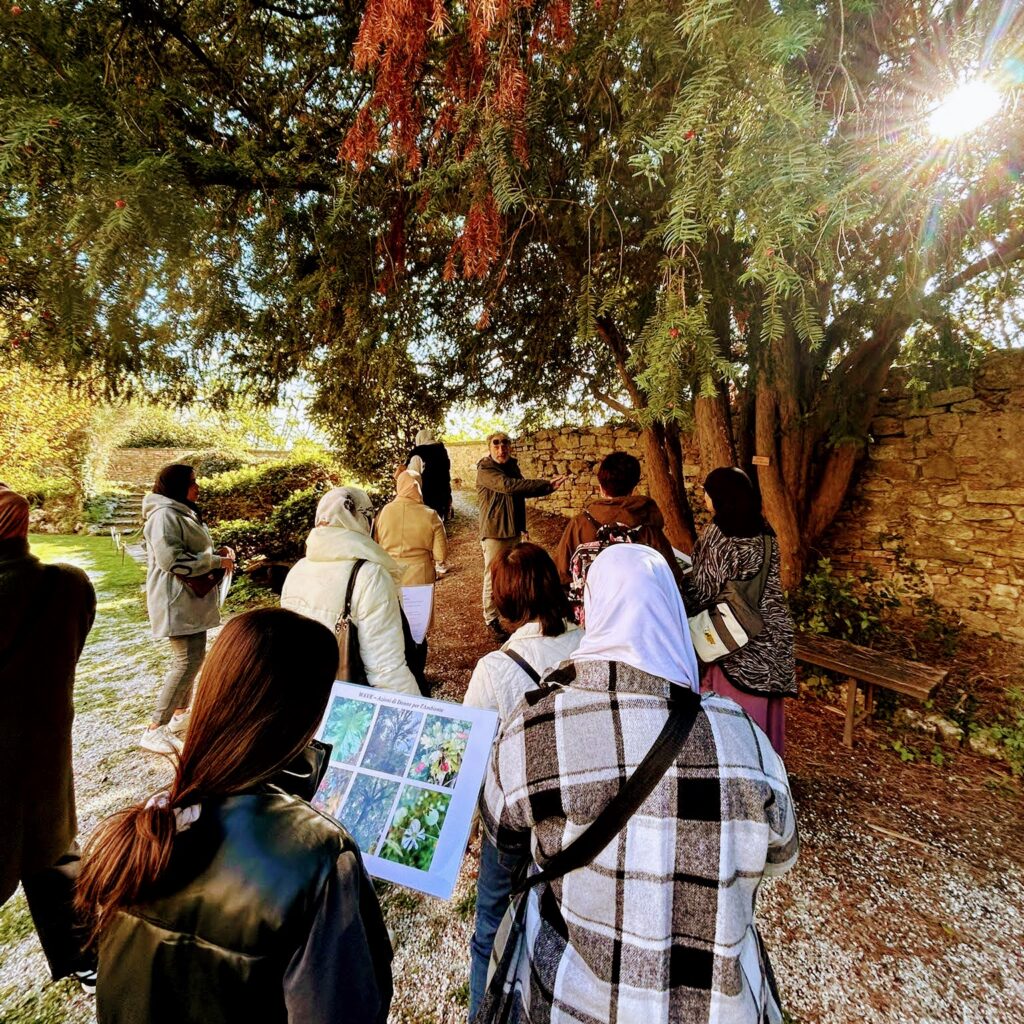
Through a playful-educational approach, participants received photographic material depicting some historic and weed plants present in the garden and were invited to identify and recognize them. Once each plant was identified, a storytelling moment opened up that intertwined ancient narratives and contemporary knowledge: stories were told about the millennial relationship between these plant species and humanity, their beneficial properties for health and the environment and their crucial role in mitigating climate change and improving urban ecosystems. The activity fostered a valuable intercultural dialogue: participants, coming from different countries, shared curiosities and traditional knowledge about the use of these plants in their countries of origin, enriching the group with diverse perspectives and creating a bridge between cultures through the universal language of nature. In this way, the plant hunt transformed into an experience of social inclusion, collective learning, and building environmental awareness.
Topic
Learning through play
Game mechanics that make plant knowledge memorable and engaging
Resources
Neighbourhood Botanical Walk
Title of the Practice
Exploring local biodiversity through everyday plants and spontaneous urban nature
Learning Objectives
Explore how certain plants support pollinators and local ecosystems
Reconsider the role of spontaneous vegetation in everyday environments
Gain a basic understanding of how plants are classified
Strengthen the ability to recognise and remember common local species
Discover interesting properties, uses, and stories related to wild herbs
Target Groups
Citizens, students, teachers, youth workers, and vulnerable groups
Short Description
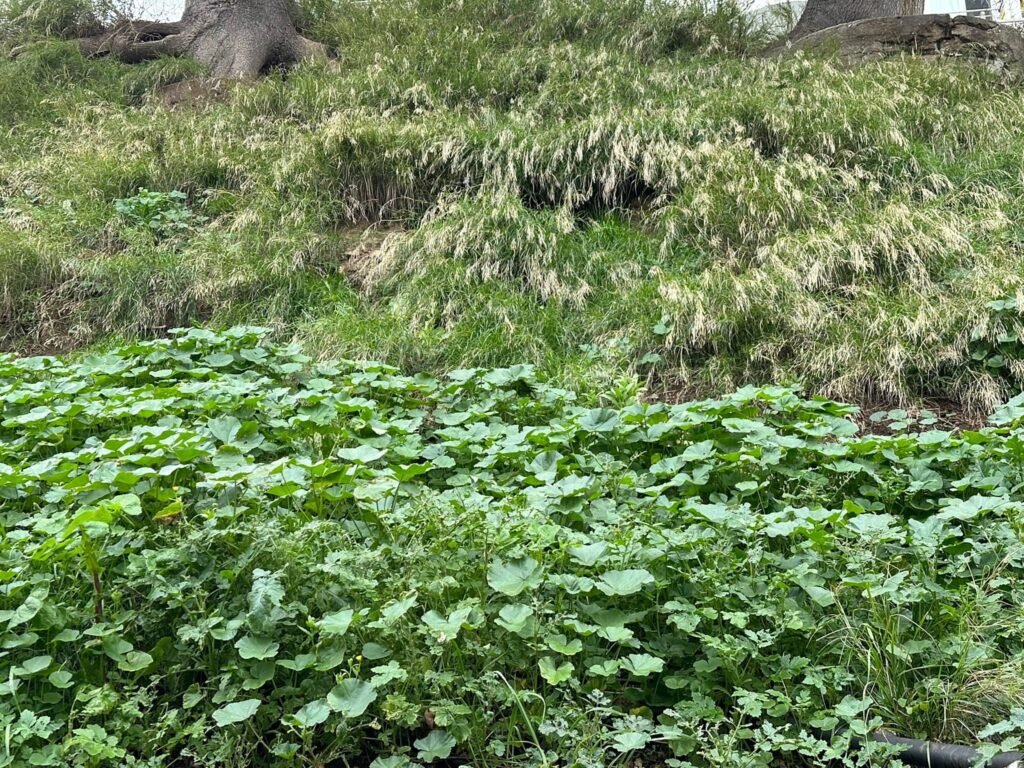
The Neighbourhood Botanical Walk is a guided outdoor activity that invites participants to explore everyday green spaces with a fresh perspective. Through a slow walk in the local area, participants observe and learn about spontaneous plants, with a special focus on biodiversity, melliferous species, and the ecological value of so-called “weeds”. The activity combines basic botanical knowledge with storytelling and hands-on observation, encouraging curiosity and environmental awareness in urban settings.
Topic
- What is biodiversity and why it matters
- Urban ecosystems: parks, flowerbeds, walls
- Flora and fauna in cities
- Human impact on local biodiversity
- Ecosystem services in the city
Resources
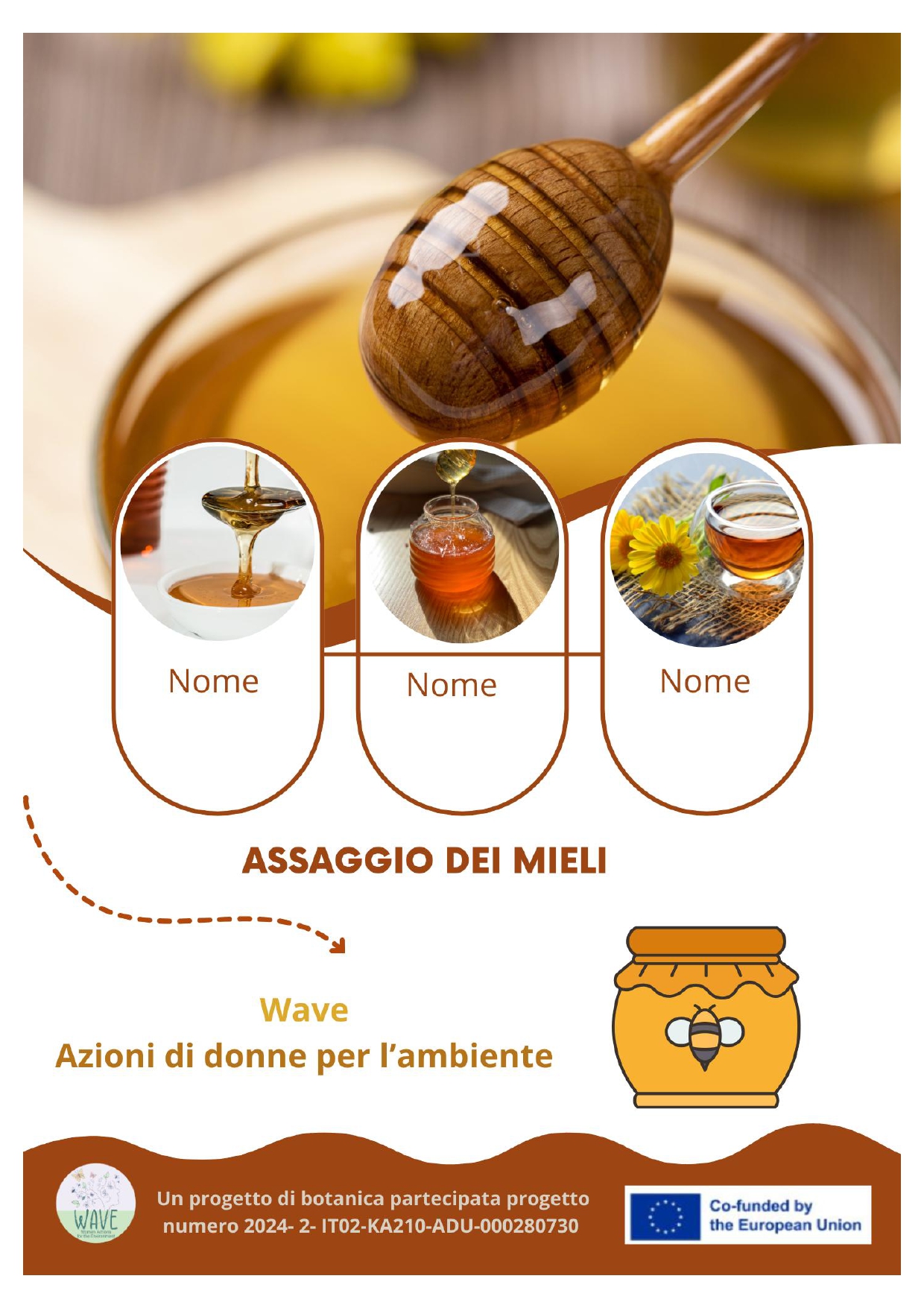
Tasting Honey to Understand Biodiversity
Title of the Practice
Honey Tasting for Vegetable Diversity Appreciation
Learning Objectives
Use sensory experience (taste) as an entry point to explore the connection between biodiversity and food.
Raise awareness of the ecological role of bees and pollination in sustaining plant diversity.
Help participants understand how plant diversity influences flavor, nutrition, and food security.
Promote environmental awareness through direct, enjoyable, and inclusive experience.
Foster cultural exchange by connecting honey traditions to participants’ diverse backgrounds.
Target Groups
Students, teachers, youth workers, community groups, families, and vulnerable groups interested in environmental education.
Short Description
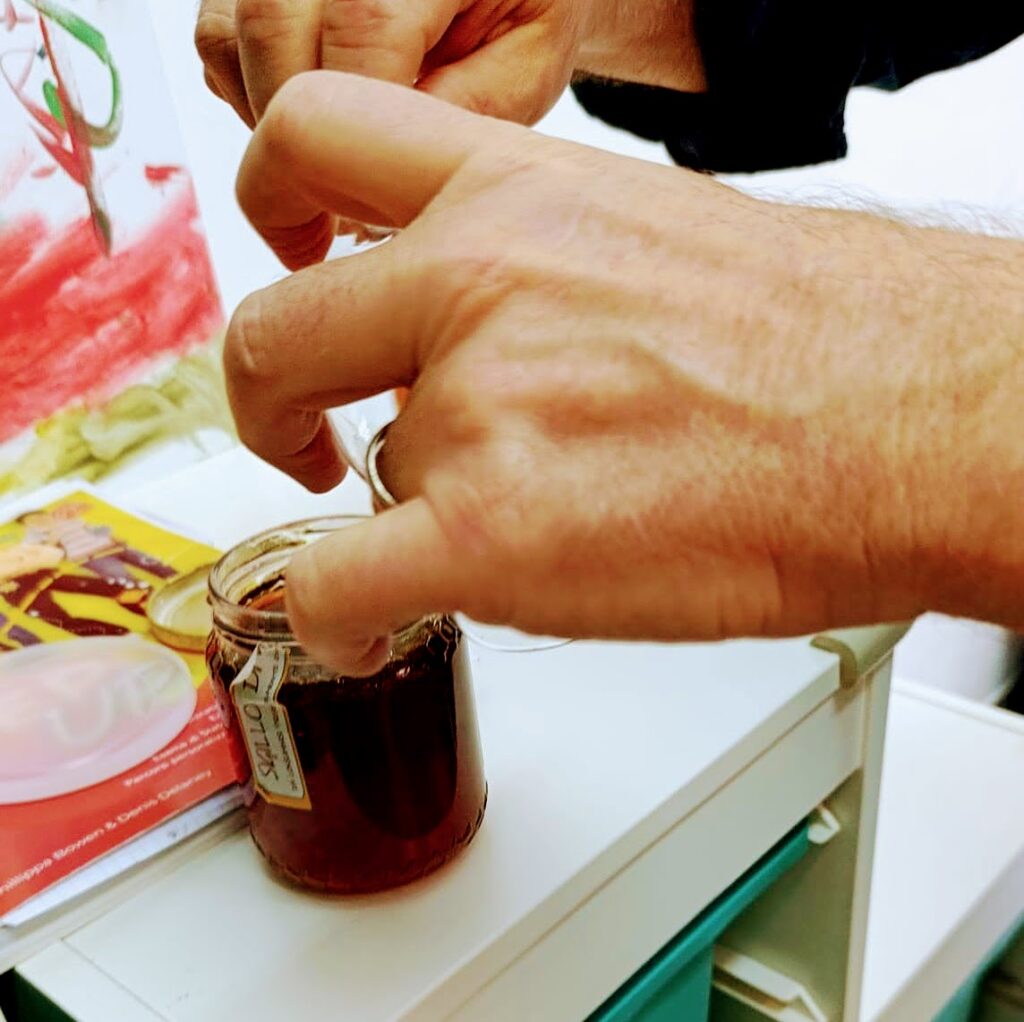
This activity uses honey tasting as a sensory tool to explore the link between biodiversity and food. By comparing honeys from different floral sources, participants learn how plant diversity influences flavor, nutrition, and sustainability. The practice promotes environmental awareness through direct, enjoyable experience.)
Topic
A sensory and experiential workshop on biodiversity awareness through honey tasting and intercultural dialogue.
Resources
Botanical
Painting
Title of the Practice
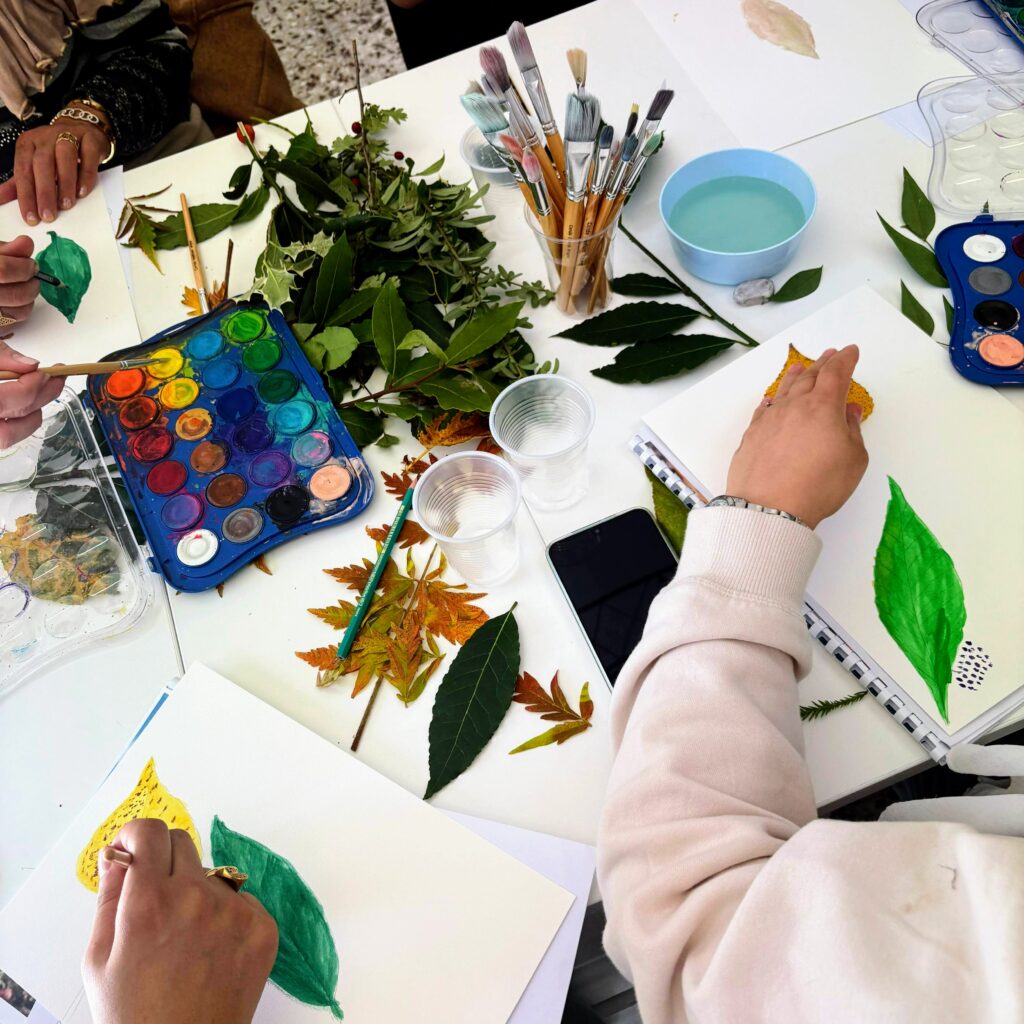
Drawing the Woods: Observe, Collect, Paint.
Learning Objectives
- Develop a direct, sensory connection with nature.
- Sharpen observation of often overlooked natural details.
- Collect and document natural elements through photography.
- Transform observations into watercolour artworks.
- Express personal stories, emotions, and feelings through art.
- Reflect on the experience and share it within the group.
- Integrate creativity, observation, and introspection in a collective journey.
Target Groups
Students, teachers, youth workers, community groups, families, and vulnerable groups interested in environmental education.
Short Description
The activity involves a group of participants in a woodland walk to observe, collect, and photograph natural details such as leaves, berries, and flowers. Afterwards, in the workshop, the group transforms these observations into watercolours, expressing personal emotions, stories, and feelings inspired by the experience, promoting creativity, observation, and collective sharing.
Topic
A nature-based art workshop combining woodland exploration and watercolour painting for creative and emotional expression.
Resources
Link
Discovering Biodiversity with PlantNet!
Title of the Practice
Using the PlantNet App to Identify Plants and Learn about Nature
Learning Objectives
– Develop digital skills by using an app for plant identification
– Increase awareness of local biodiversity through direct observation
– Foster curiosity and environmental responsibility in daily life
Target Groups
Students, teachers, youth workers, community groups, families, and vulnerable groups interested in environmental education
Short Description
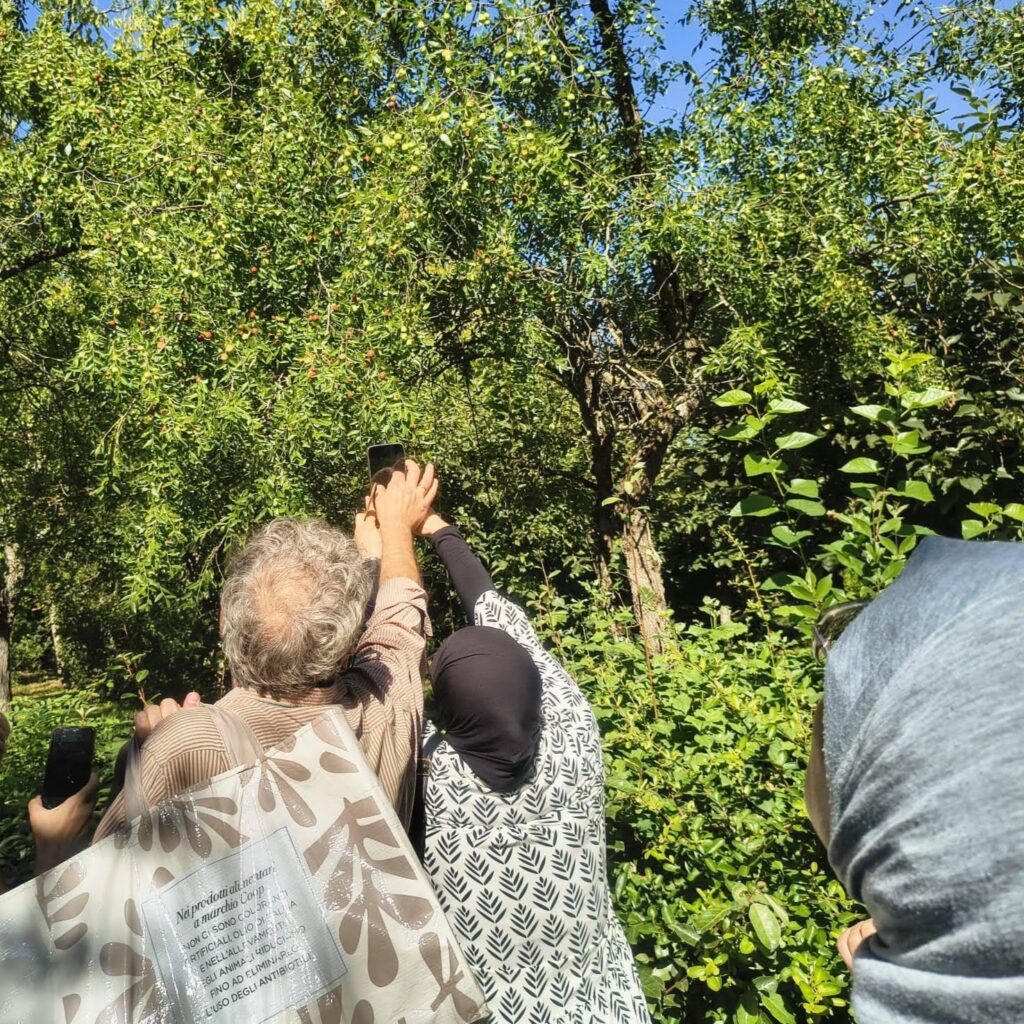
This activity uses the free PlantNet app to identify plants by taking photos with a smartphone. Participants can also create a participatory mapping of local biodiversity: different people walk along a chosen route, observe and identify plants, and share their findings. Each participant can add short descriptions of their personal experience, connect the plants to local features of the territory, and contribute observations to the PlantNet community. Groups can also create their own shared collection, fostering collaboration and environmental awareness.
Topic
Link
Resources
Using Visual Tools and Word Games to Explore Biodiversity Concepts
Title of the Practice
Between Games and Words.
Learning Objectives
- Understand the concept of biodiversity and its importance for ecosystem balance.
- Recognise the interconnections between different forms of life and the environment.
- Stimulate environmental awareness through play and creativity.
- Develop a sensory approach to learning, valuing perceptions and emotions.
- Encourage critical thinking and collective reflection on sustainability issues.
Target Groups
Students, teachers, youth workers, community groups, families, and vulnerable groups interested in environmental education.
Short Description
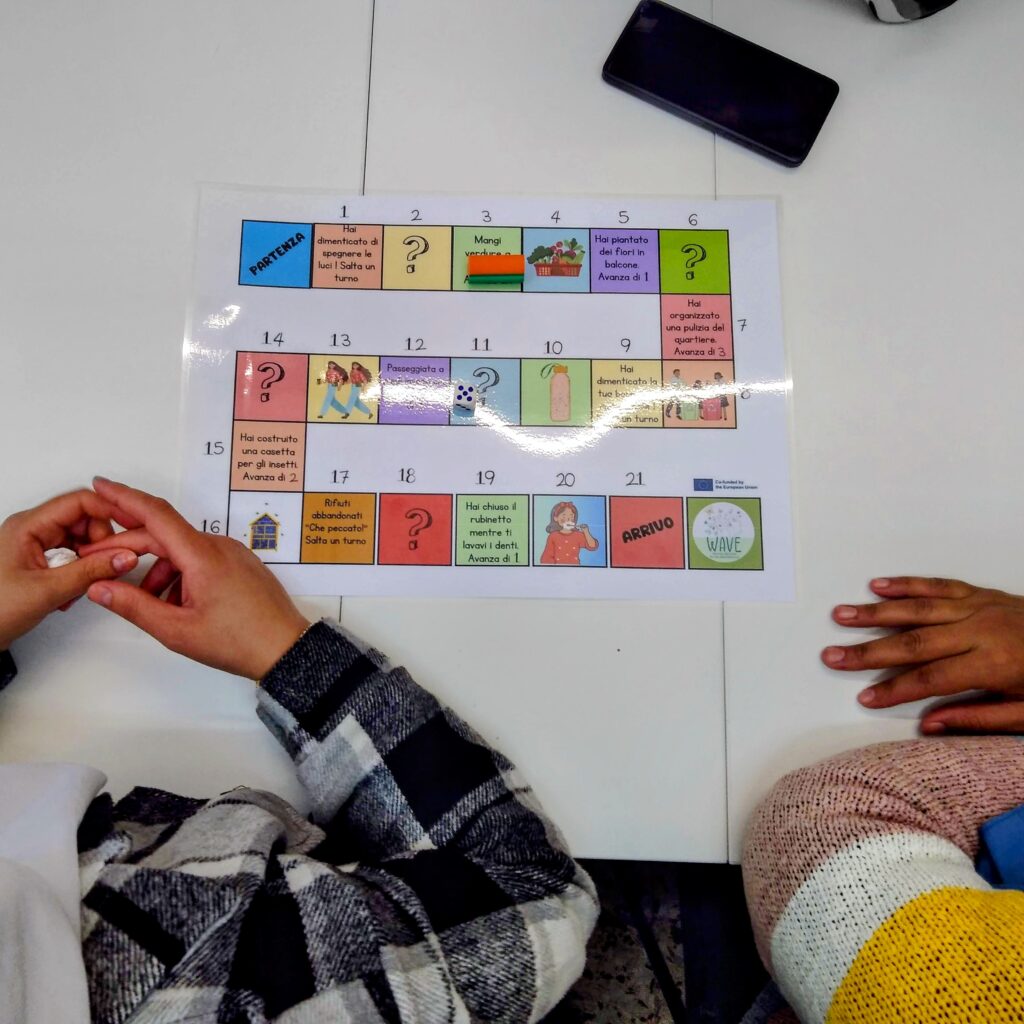
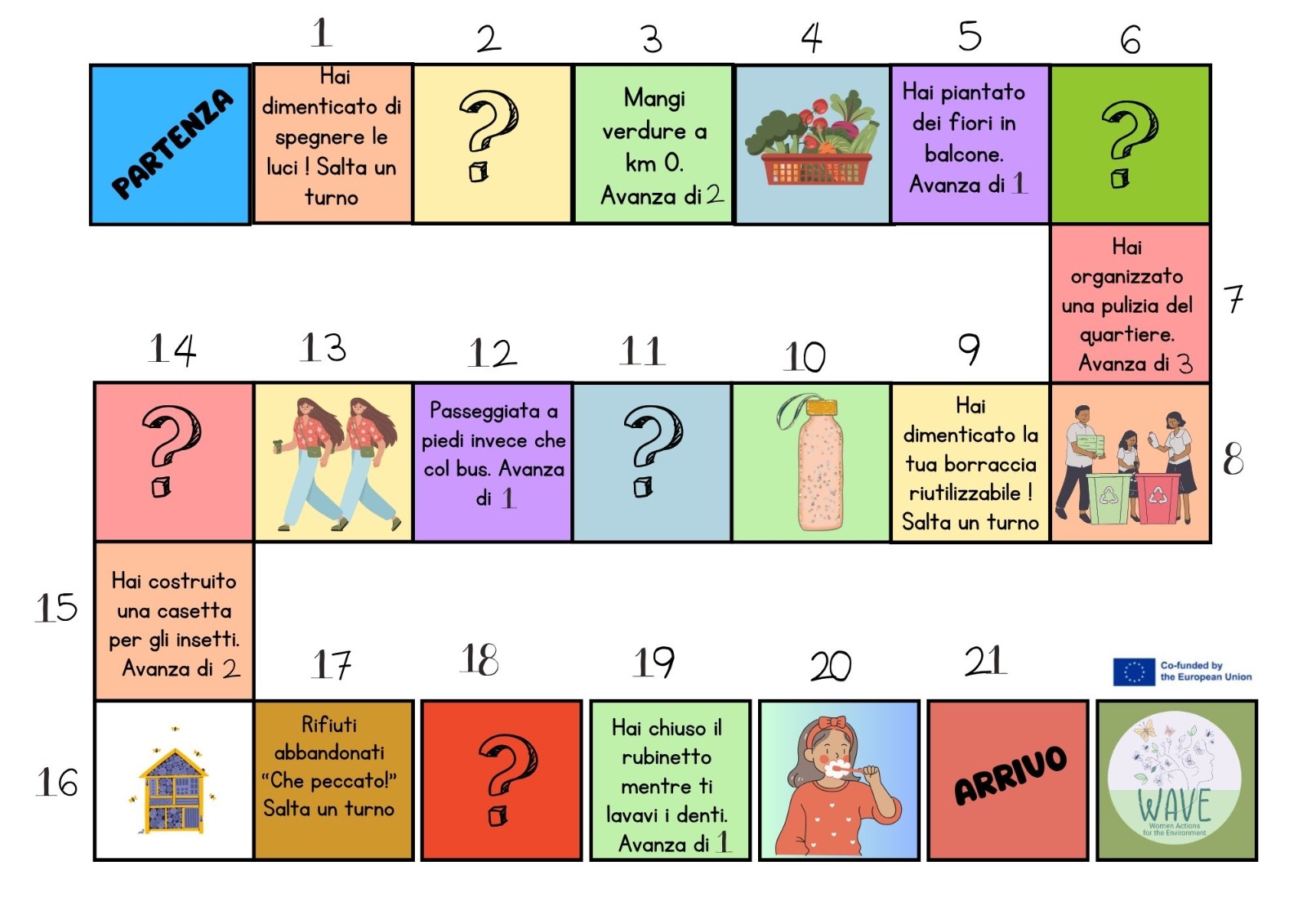
An educational activity exploring natural richness through playful and creative approaches. A biodiversity-themed board game stimulates curiosity and fosters understanding of connections between plants, animals, and the environment, encouraging collaboration among participants. Through creative word pairings, nature-related concepts are combined to promote reflection, imagination, and awareness of links between different forms of life. The activity blends learning, fun, and participation, offering an experience of discovery and observation of the natural world.
Topic
A playful and creative educational workshop on biodiversity awareness and environmental connections.
Resources
Seedling
and Tree Planting
Title of the Practice
Hands-on Environmental Stewardship: Seedling and Tree Planting
Learning Objectives
- Empower women through active participation in environmental protection and sustainable management.
- Create a tangible natural legacy for future generations.
- Promote social inclusion by bringing together local and immigrant women in a shared physical task.
- Strengthen ties between the community and local institutions (Municipality & Education Center).
- Highlight the economic, social, and sociological importance of botanical gardens and green spaces.
Target Groups
16 disadvantaged women, including local housewives and immigrant women.
Short Description
In this hands-on activity, participants gathered at the İznik Public Education Center Botanical Garden to carry out a seedling and tree planting initiative. The aim was to protect green areas and manage them sustainably. Participants actively arranged the garden layout and planted a diverse range of species, including Sage, Rosemary, Lavender, Thyme, Aronia, Blueberry, Bougainvillea, Hydrangea, Geranium, and Chrysanthemum. The event was distinguished by the participation of key institutional leaders, adding significant social value.
Topic
A hands-on gardening workshop for environmental and social purposes.
Resources
Link
Natural Herbal
Wellness Worksh
Title of the Practice
Natural Pharmacy and Self-Care: Natural Herbal Wellness Workshop
Learning Objectives
- Teach participants how to transform traditional plants and natural waste (like avocado seeds) into care remedies.
- Empower women to create their own wellness products for skin, hair, and pain relief.
- Revive traditional knowledge regarding the use of Laurel and St. John’s Wort.
- Promote the “thriving environments” concept by utilizing sustainable resources.
- Foster a calm, focused learning environment through patient preparation techniques.
Target Groups
16 women from disadvantaged backgrounds in İznik.
Short Description
The workshop focused on transforming traditional plants into natural care remedies, emphasizing self-care and sustainability. Participants learned to prepare “Avocado Seed & Peel Oil” to create a rich oil for wellness routines. The session also covered the production of “Laurel and St. John’s Wort Oil” using specific traditional techniques: grinding leaves, blending with olive oil, using a cold-water placement method, and applying a 30-minute gentle heating process. The workshop concluded with demonstrations on blends used for easing head, joint, and body discomfort.
Topic
Natural wellness and traditional herbal self-care
Resources
Link
Pl@ntNet
Learning Day
Title of the Practice
Digital Citizen Science and Nature Exploration: Pl@ntNet Learning Day
Learning Objectives
- Introduce participants to the Pl@ntNet application as a tool for plant identification.
- Promote digital literacy among women from disadvantaged backgrounds.
- Encourage intergenerational cooperation through peer-to-peer technical support.
- Strengthen the group’s connection to local food traditions through sensory experiences.
- Strengthen the group’s connection to local food traditions through sensory experiences.
- Increase participants’ comfort in observing and engaging with local biodiversity.
Target Groups
Adult women from disadvantaged backgrounds in İznik (approx. 15 participants).
Short Description
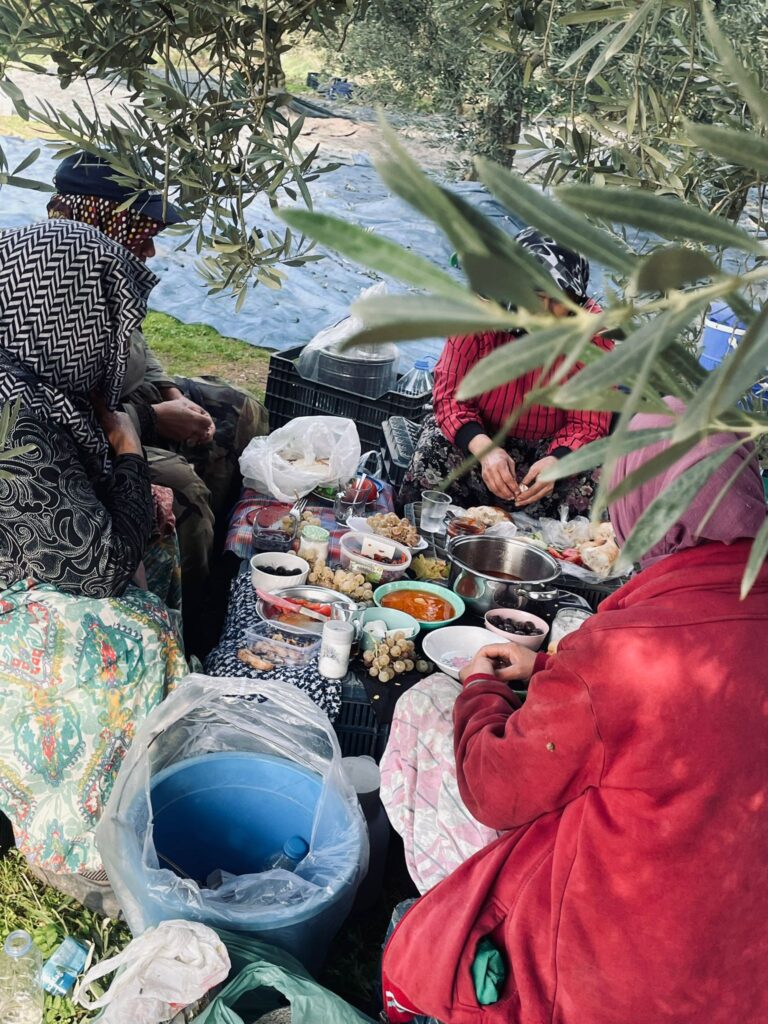
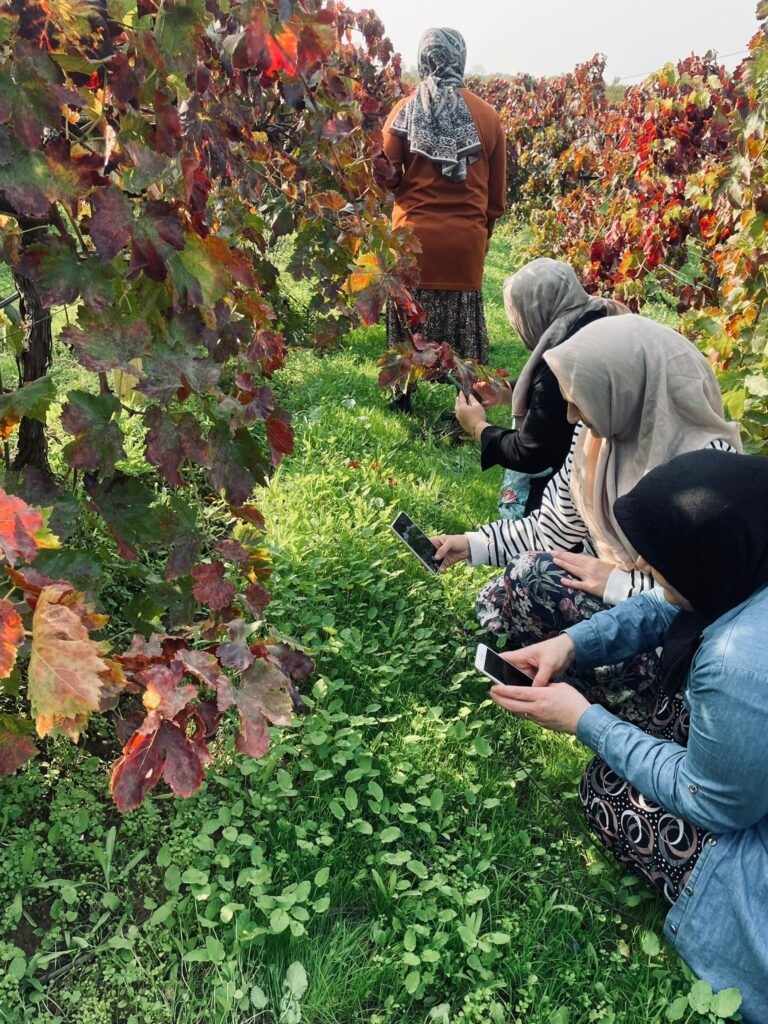
This session introduced participants to the Pl@ntNet application as a digital tool for identifying local plant species. The activity began with short warm-up conversations and nature-themed games to build rapport. The core of the session was an outdoor “plant chase” walk, where participants practiced real-time plant recognition using their smartphones. The experience was complemented by an olive-tasting moment, allowing women to share personal stories and cultural knowledge related to local food traditions.
Topic
A nature exploration workshop mediated by digital technology.
Resources
Link
Healing
Plants & Cooking
Title of the Practice
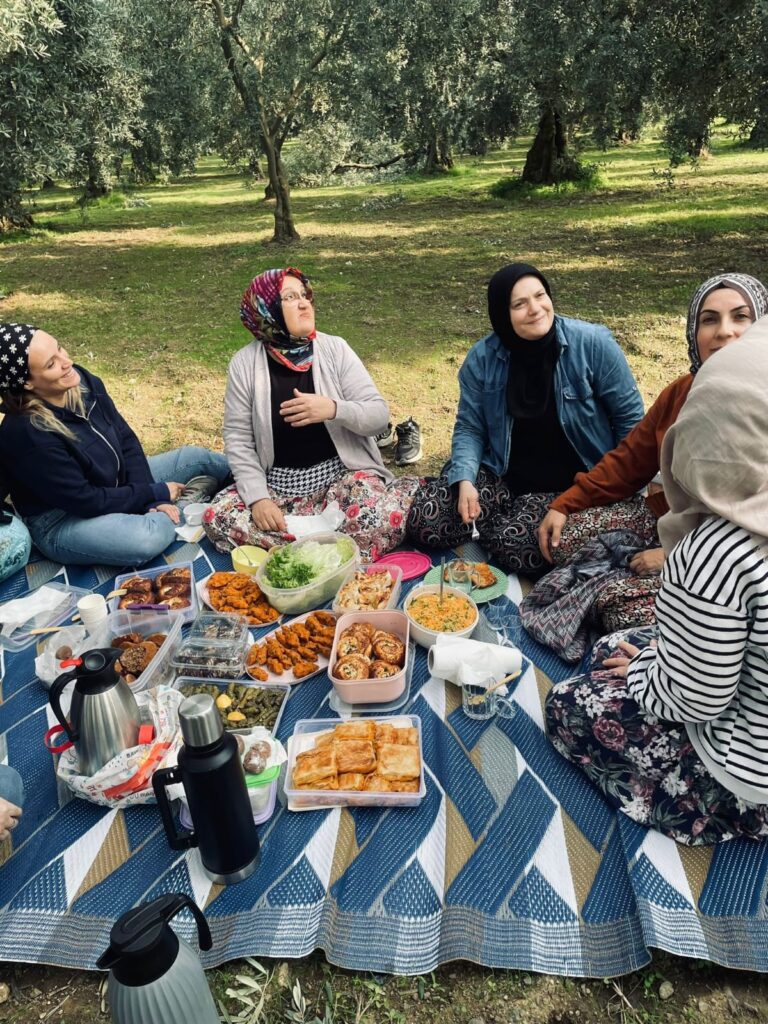
Nature exploration and traditional culinary workshop: Healing Plants & Cooking
Learning Objectives
- Introduce participants to local wild medicinal plants (specifically mallow, sorrel, and nettle)
- Teach the nutritional, medicinal, and cultural significance of these herbs.
- Build confidence in identifying plants in their natural habitat.
- Foster a sense of togetherness and emotional connection through shared cooking and eating.
- Empower women by combining ecological education with practical kitchen skills.
Target Groups
Adult women from disadvantaged backgrounds in İznik, including housewives, refugee women, and women facing social or economic difficulties.
Short Description
In this activity, participants explored the natural surroundings of İznik to identify and collect wild medicinal plants. The session combined outdoor education with an indoor culinary workshop. Participants learned to identify specific herbs like mallow (Ebegümeci), sorrel, and nettle, discussing their traditional uses. The activity concluded in the kitchen, where the group prepared mallow sauté and pastries, transforming their harvest into a shared meal that reinforced cooperation.
Topic
Foraging and cooking workshop for social and educational purposes
Resources
Link
Participatory Environmental Workshop – Olive Oil Production and Sustainable Transformation
Title of the Practice
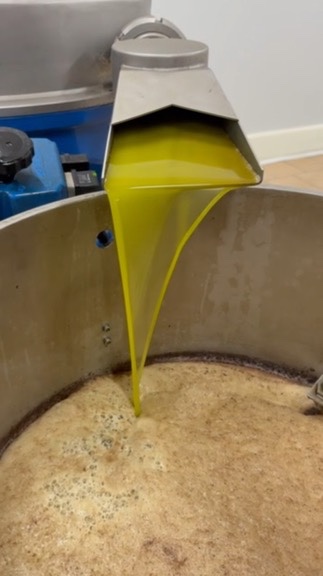
From Olive to Oil: Understanding Sustainable Food Production
Learning Objectives
- Increase awareness of sustainable food production processes linked to agro-biodiversity.
- Understand the full transformation cycle from natural resource to final product.
- Recognise traditional and local production systems as part of environmental and cultural heritage.
- Empower women through experiential learning connected to local economies and sustainability.
Target Groups
Adult women (including approximately 40% in vulnerable situations), local residents, and community members interested in environmental education, traditional knowledge, and sustainable food systems.
Short Description
This participatory workshop explores the complete olive oil production process using the olives harvested during the previous WAVE activity. Through a guided visit to a local olive oil mill, participants follow each stage of transformation—from cleaning and milling to extraction and storage—while reflecting on sustainability, resource efficiency, and the link between biodiversity, food systems, and community knowledge.
Topic
A participatory workshop on sustainable olive oil production as an environmental and cultural education experience.
Resources
Link
Participatory Environmental Visit – Palm Grove Biodiversity and Cultural Landscape
Title of the Practice
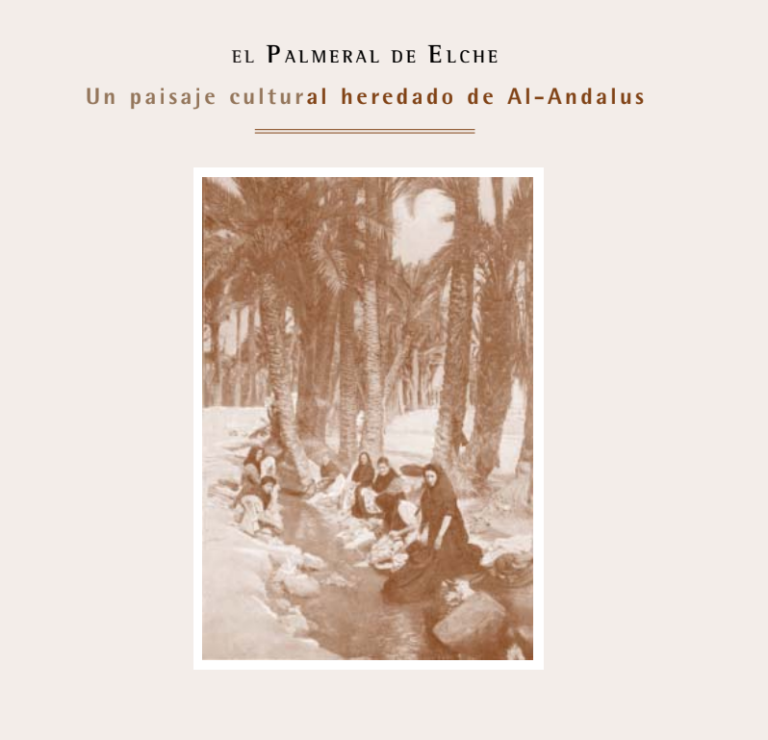
The Palm Grove of Elche: Biodiversity, Cultural Heritage and Sustainability
Learning Objectives
- Increase awareness of Mediterranean agro-biodiversity through the study of palm grove ecosystems.
- Understand the relationship between natural heritage, cultural landscapes, and sustainable land management.
- Recognise traditional irrigation and cultivation systems as environmental knowledge.
- Empower women through experiential learning in culturally and environmentally significant sites.
Target Groups
Adult women (including approximately 40% in vulnerable situations), local residents, and community members interested in environmental education, biodiversity, and cultural heritage.
Short Description
This participatory activity explores the Palm Grove of Elche as a unique agro-ecological and cultural landscape. Through a guided visit to the Huerto del Cura and surrounding palm groves, participants learn about palm biodiversity, traditional irrigation systems, and sustainable land management practices, reflecting on the link between nature, culture, and community resilience.
Topic
A participatory visit to a cultural and agro-ecological landscape for Mediterranean biodiversity and sustainability education.
Participatory Environmental Workshop – Olive Harvesting and Agro-Biodiversity Awareness
Title of the Practice
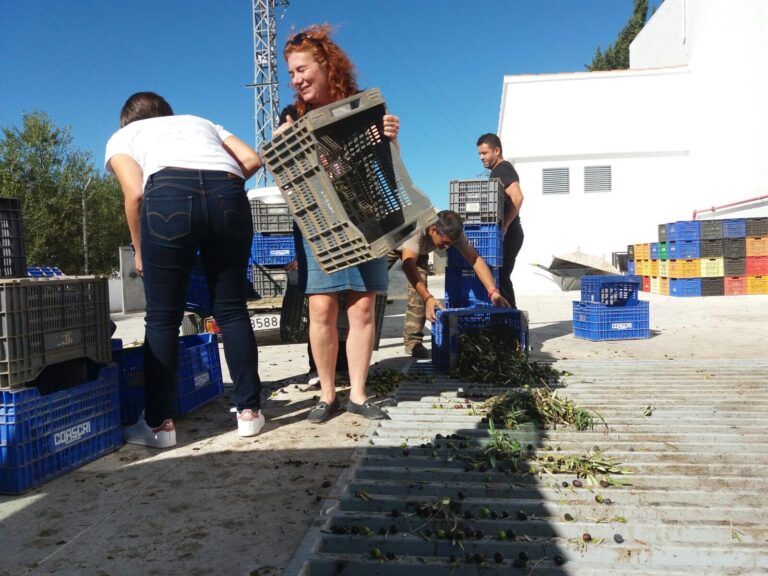
Olive harvesting as living environmental heritage
Learning Objectives
- Raise awareness of agro-biodiversity and seasonal ecological cycles through direct experience.
- Recognise traditional agricultural practices as a form of environmental knowledge and cultural heritage.
- Empower women through participatory, nature-based and experiential learning.
- Strengthen understanding of the relationship between biodiversity, food systems, and sustainability.
Target Groups
Adult women (including approximately 40% in vulnerable situations), local residents, and community members interested in environmental education, traditional knowledge, and sustainable practices.
Short Description
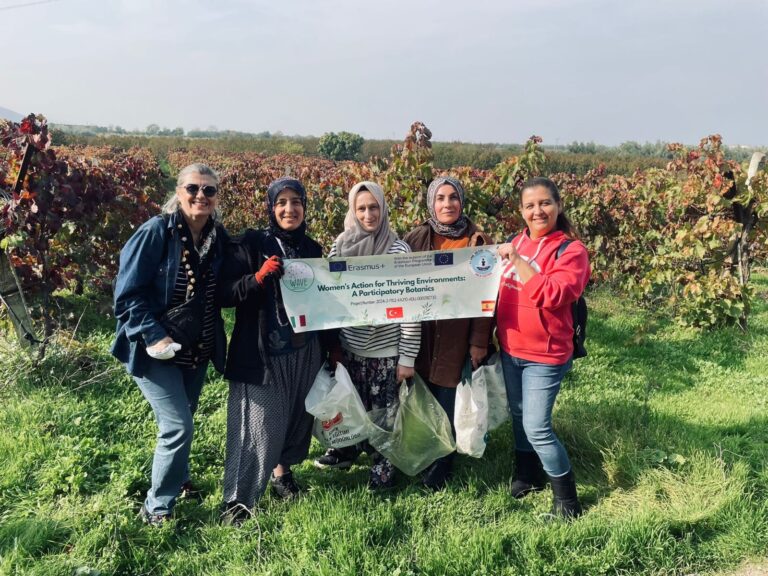
This full-day participatory workshop engages participants in olive harvesting as a hands-on learning experience linking biodiversity, traditional knowledge, and sustainability. Through direct involvement in the harvesting process, participants explore olive tree ecosystems, seasonal cycles, and agro-biodiversity, while reflecting on women’s role in preserving environmental and cultural practices connected to local food systems.
Topic
An experiential olive harvesting workshop for agro-biodiversity and Mediterranean cultural heritage education.
Introductory Training – Participatory Botany and Biodiversity Mapping
Title of the Practice
Getting ready for citizen science: Introduction to biodiversity and the Pl@ntNet app
Learning Objectives
- Introduce participants to the goals and methodology of the WAVE Project.
- Provide basic knowledge of urban biodiversity and plant identification.
- Train participants to use the Pl@ntNet app and mapping tools for fieldwork.
- Build confidence and inclusion through collaborative learning and digital practice.
Target Groups
Adult women (including 40% in vulnerable situations), local residents, and community members from Guadassuar interested in environmental education and digital skills.
Short Description
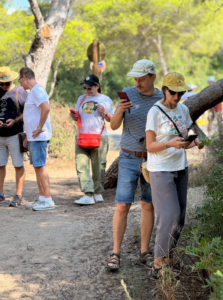
This preparatory activity introduced participants to the fundamentals of participatory botany and biodiversity mapping, serving as the first step before the field workshop at El Saler. Participants learned about local flora, explored environmental challenges in their region, and practiced using the Pl@ntNet app for digital plant identification. The session combined short presentations, discussion, and hands-on mapping exercises.
Topic
Preparatory workshop on participatory botany and digital biodiversity mapping.
Resources
Link
Participatory Botany Workshop – Discovering Biodiversity at El Saler
Title of the Practice
Urban Nature Mapping and Intergenerational Learning
Learning Objectives
- Foster awareness of urban biodiversity and environmental stewardship.
- Promote intergenerational exchange and community connection with nature.
- Empower women through participatory and inclusive outdoor learning.
- Strengthen digital and environmental literacy through the use of the Pl@ntNet app as a citizen-science tool.
Target Groups
Adult women (40% in vulnerable situations), local residents, and community members of Valencia.
Short Description
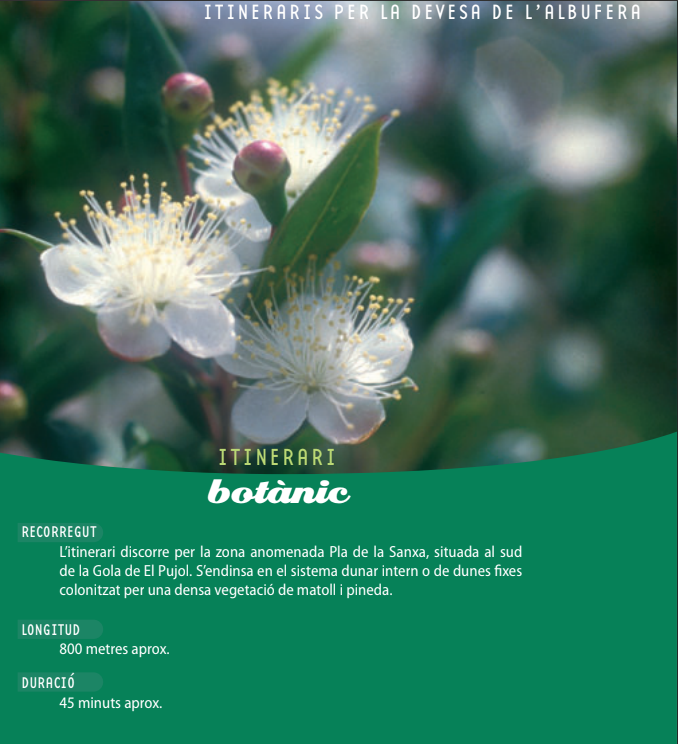
This activity forms part of WAVE’s local piloting actions promoting nature-based education and women’s empowerment through participatory environmental learning. The workshop reconnects citizens—especially women—with their local environment through the observation and mapping of urban biodiversity. Participants used the Pl@ntNet app (https://plantnet.org/en/) to identify local plant species, shared traditional ecological knowledge, and collaboratively created biodiversity maps of El Saler Park integrating both digital and paper-based data.
Topic
A participatory urban biodiversity mapping workshop through digital citizen science.